

Volunteers needed for RHA’s annual Stream Cleanup on Saturday, April 18
Do you have news to share?
Share your announcements and news articles with fellow SCBP members on our website!
If you are interested in joining SCBP, please contact: Chris Edwards, CEO & President at CEdwards@scbp.org
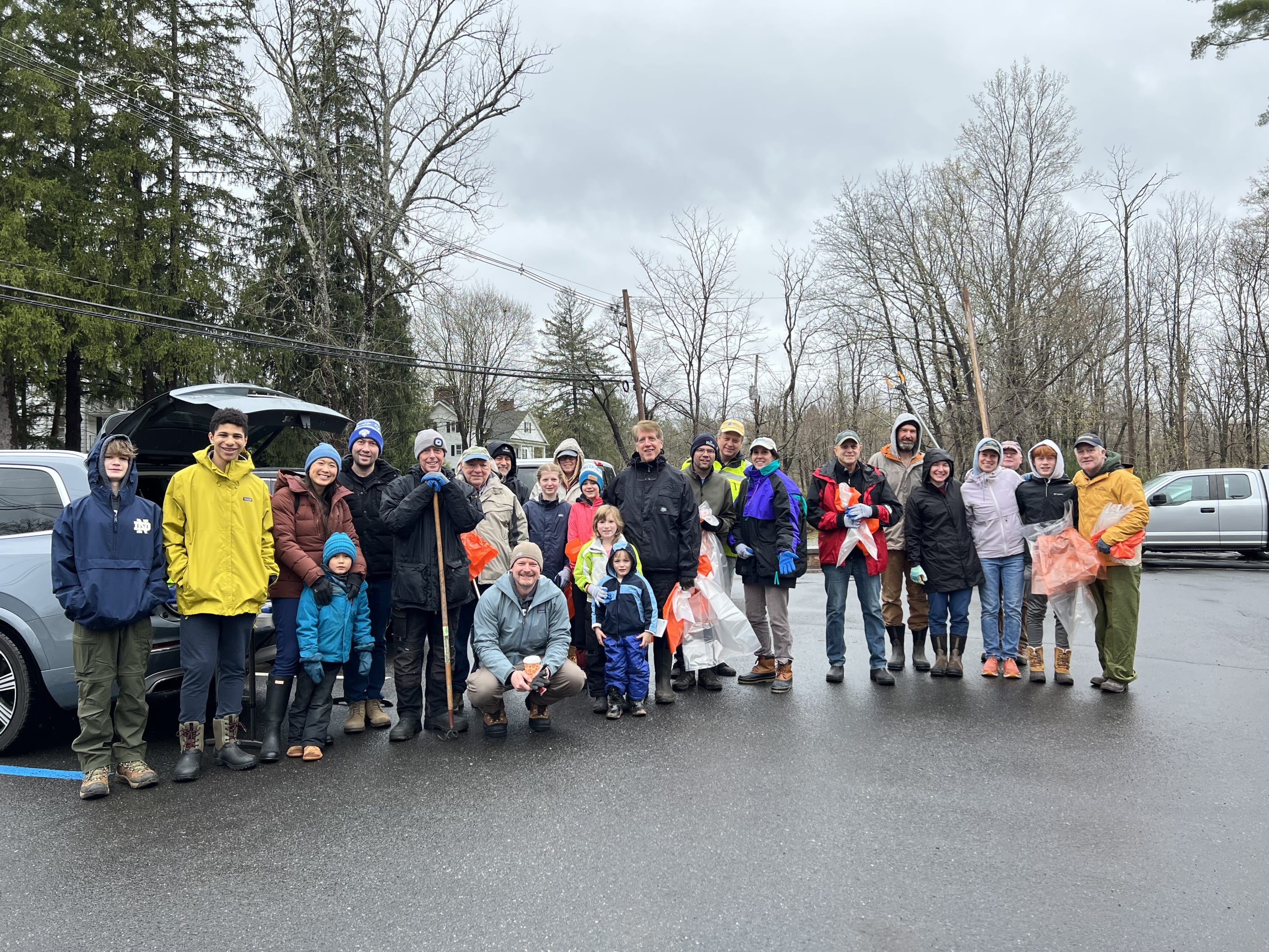
Volunteers needed for RHA’s annual Stream Cleanup on Saturday, April 18
Trash along local rivers and streams not only ruins the area’s scenic beauty but also harms water quality, wildlife, and human health.
That’s why each spring, the nonprofit Raritan Headwaters Association (RHA) organizes its annual Stream Cleanup, a large-scale event that mobilizes more than 1,200 volunteers to remove tons of trash and litter from sites across Hunterdon, Somerset, and Morris counties.
The 36th annual Stream Cleanup will take place on Saturday, April 18, from 9 a.m. to noon, at approximately 70 sites near rivers, streams, lakes, and reservoirs across the upper Raritan River watershed.
Online volunteer registration opens on Sunday, March 1. To sign up or learn more, visit www.raritanheadwaters.org/streamcleanup.
Last year, Stream Cleanup volunteers picked up more than 12 tons of trash and recyclables in a single morning.
“When over a thousand volunteers pitch in, it’s amazing how much of a difference those three hours can make,” said Mara Tippett, RHA’s executive director. “As the old saying goes, many hands make light work. We’re very grateful to the members of our community who show up to help create a cleaner and healthier environment.”
Stream Cleanup is held around the same time as Earth Day, a global event advocating for environmental protection. Appropriately, the 2026 Earth Day theme is “Our Power, Our Planet,” which emphasizes the collective ability of communities and individuals to drive environmental action.
“The impact of Stream Cleanup on watershed health, the health of organisms, and human health is immeasurable for us,” said RHA Water Resources Associate Rachel Garcia, the event’s coordinator. She noted that the headwaters region – the network of streams and tributaries where the Raritan River originates – is the source of drinking water for 1.8 million New Jerseyans.
Awash in Plastics
According to Garcia, the largest share of litter collected by volunteers consists of plastic in many forms: bottles, bags, wrappers, bottle caps, drink cups, straws, utensils, fishing line, and more. In 2025, a staggering 15,807 pieces of plastic litter were collected.
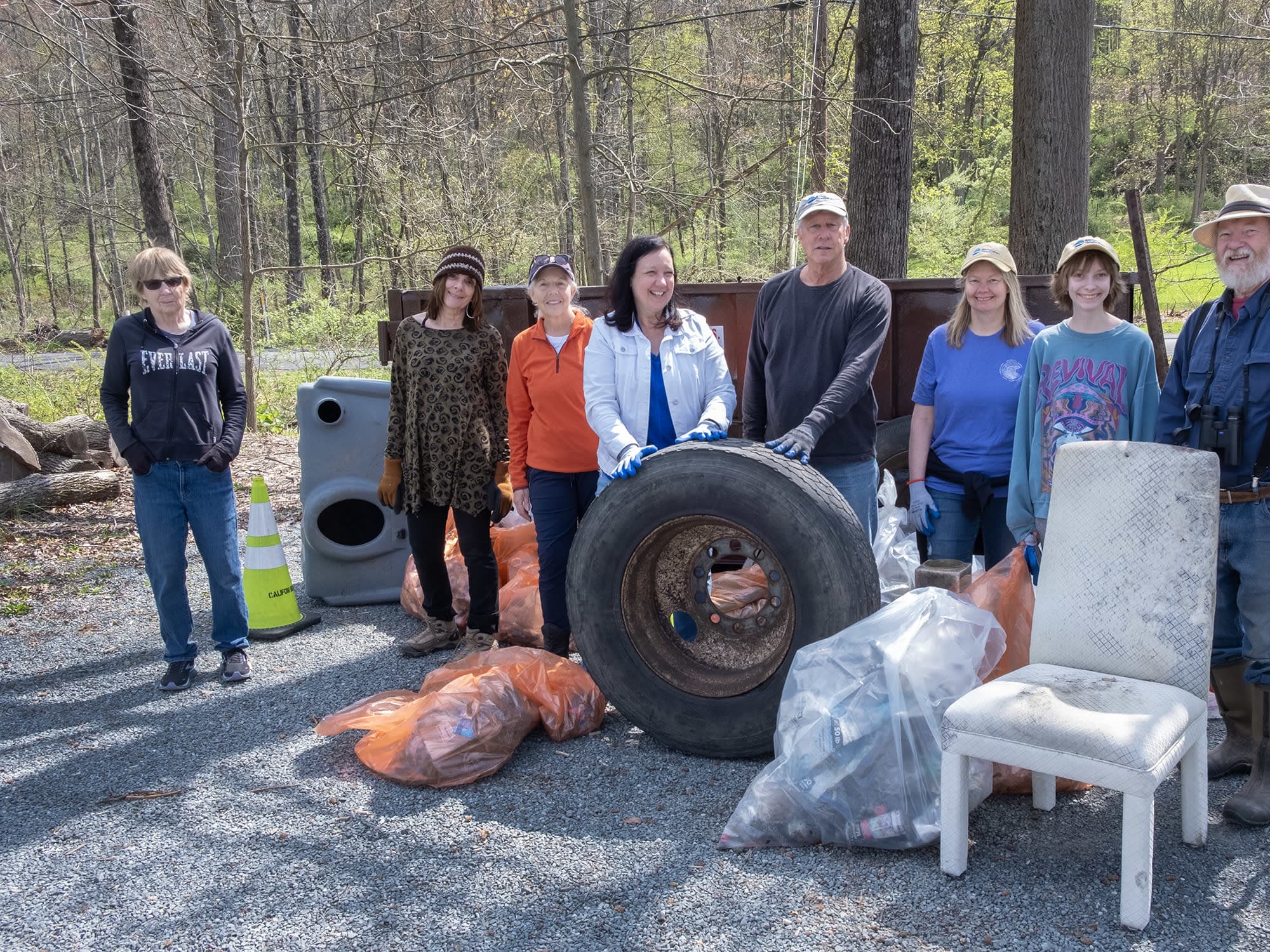
Volunteers also find metal cans, glass bottles and jars, paper and cardboard, cigarette butts, car and truck tires, construction materials, and a random assortment of other discarded items, such as furniture, sports equipment, and toys.
Plastic debris in waterways poses a threat to human health, as plastics can leach chemicals into drinking water supplies. Plastic pieces also break down into tiny particles known as microplastics, which can get suspended in drinking water and contaminate it.
Plastics in the environment also harm aquatic species and a wide variety of wildlife. For example, marine mammals and seabirds can mistake plastic for food and ingest it, or become entangled in plastic waste.
“Any trash that enters a stream in our watershed can eventually reach the main stem of the Raritan River and ultimately end up in the Atlantic Ocean,” Tippett points out.
‘A Great Multi-Generation Event’
Stream Cleanup attracts a wide range of volunteers, including individuals, families, scout troops, and groups from schools, churches, businesses, environmental commissions, and other civic organizations.
“It’s a great multi-generational event,” said Isabel Corbin, a Peapack-Gladstone Environmental Commission member who has helped coordinate the event in her hometown for the past 10 years. “It’s a wonderful way to see old friends from the community and meet new people.” Stream Cleanup also fosters a sense of stewardship and pride in the community, Corbin added.
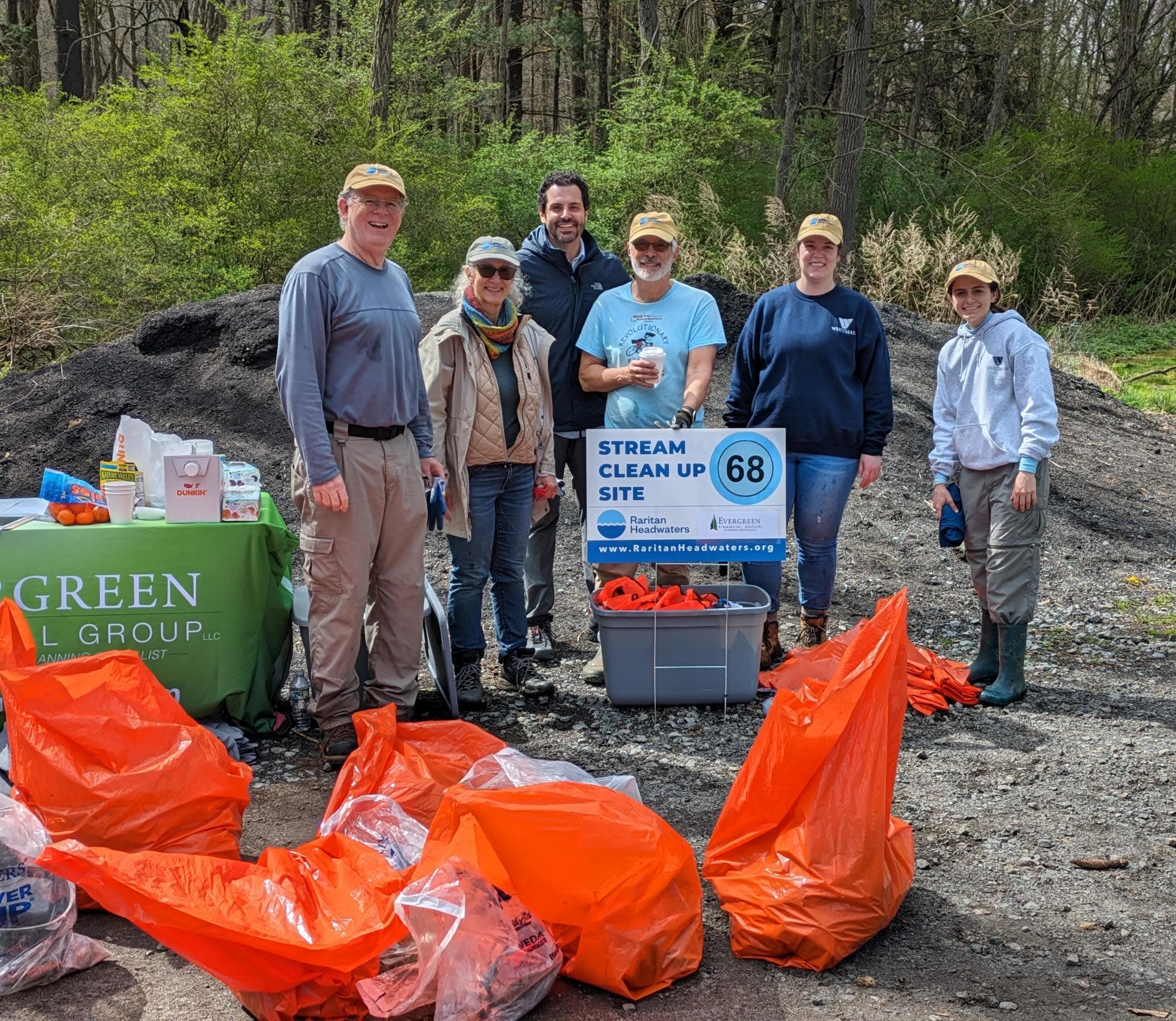
The cleanup will be held rain or shine, and all volunteers will receive gloves and trash and recycling bags.
Volunteers are not required to enter waterways, as most litter is found along stream bank edges, access points, walking paths, and parking areas. However, water-resistant footwear is recommended, as cleanup sites may be muddy.
Participants will be asked to fill out data forms to record the amount and type of litter they pick up. RHA staff will compile the data for a final tally.
Picking up trash isn’t the only way the public can help. Local individuals and businesses can sponsor a stream site, helping defray RHA’s costs. To learn more, visit www.raritanheadwaters.org/streamcleanup or email Kate Arnao at karnao@raritanheadwaters.org.
About Raritan Headwaters
Since 1959, Raritan Headwaters Association has focused on clean water. RHA engages citizens and decision-makers in protecting the Raritan River headwaters region and beyond through science, education, land preservation, and advocacy.
RHA’s 470-square-mile region provides clean drinking water to 300,000 residents across 38 municipalities in Somerset, Hunterdon, and Morris counties, and directly affects over 1.5 million homes and businesses in New Jersey's densely populated urban areas. To learn more about Raritan Headwaters and its programs, please visit www.raritanheadwaters.org or call 908-234-1852.
Powered By GrowthZone